In a sales environment that is no longer purely physical, the role of the promoter has changed. Today, brands need more than just presence: they need measurable impact, adaptability, and a genuine connection to the buyer, including in digital channels.
Today’s ideal promoter doesn’t just execute. They understand, measure, adapt, and continuously improve.
1. Goal orientation (and not just task orientation)
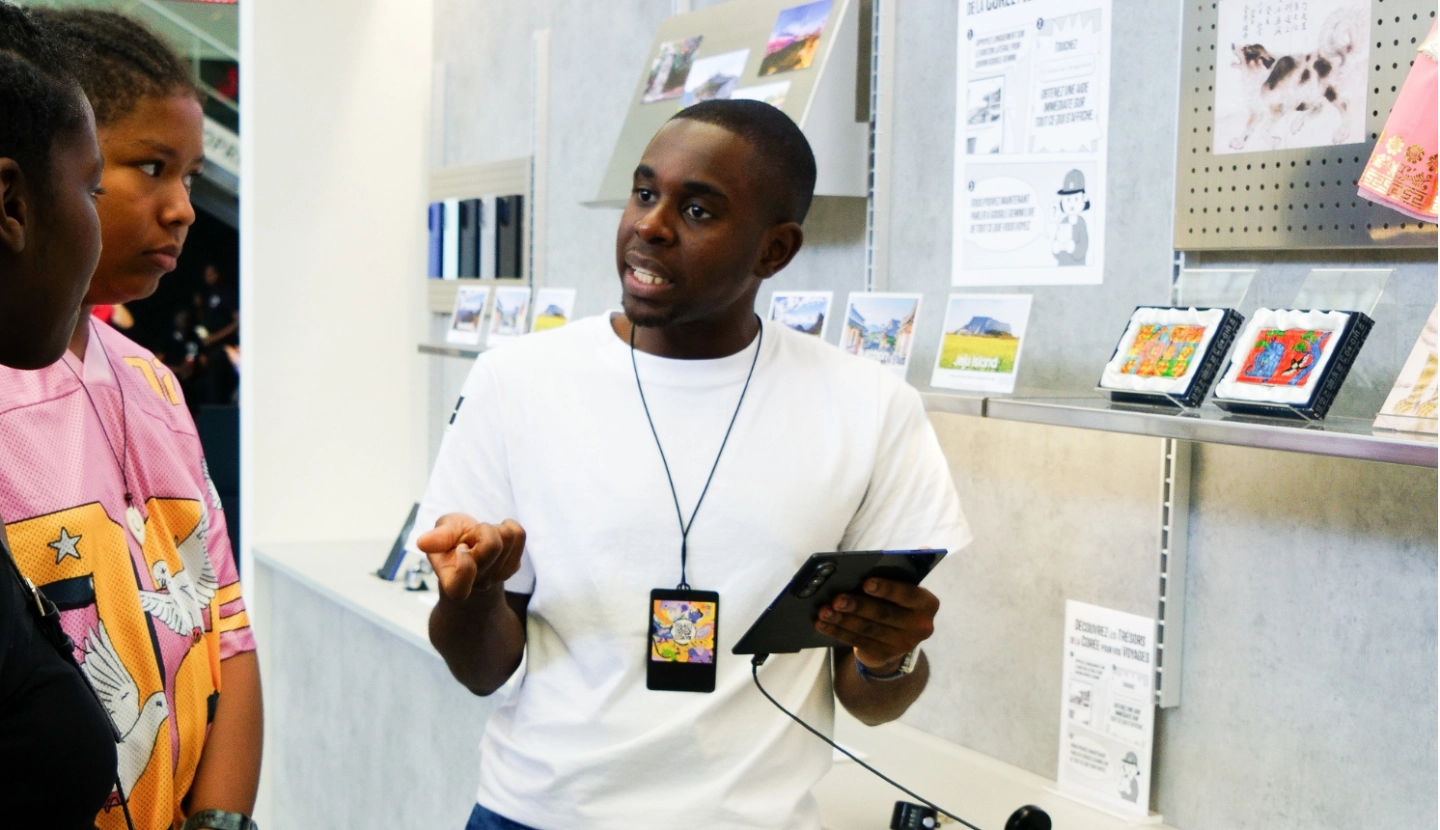
A good promoter no longer limits themselves to being present at the point of sale:
- They know the KPIs of each campaign
- They adjust their focus when goals change
- They work with supervisors to adapt arguments or techniques
- They interpret data to act better, not just to report
He is a professional who understands his impact and works to maximize it.
2. Hybrid presence: Store and digital environment
Today’s promoter must be able to build trust even through a screen:
- They use video assistance, e-learning, and live shopping tools
- They answer questions in e-commerce channels
- They offer remote customer service
In summary: They are just as effective behind the counter as they are behind a cell phone.
3. Continuous training and development
Leading brands no longer view promoters as a one-off resource. They develop, train, and evaluate them.
- E-learning platforms
- Tactical briefings
- Active on-site monitoring
- Evaluation of the quality of execution and reasoning
This turns promoters into strategic assets rather than operational resources.